This is the first in an exploratory series looking at destination development success stories. From the smallest FECs to the largest master planned cities, our business is the business of placemaking, of creating something from nothing, of building something so people will come.
In general, while acknowledging the fact that looking for lessons in the past is fraught with survivorship bias, narrative fallacy, and confounding factors, we believe there still may be some durable knowledge to be gained.
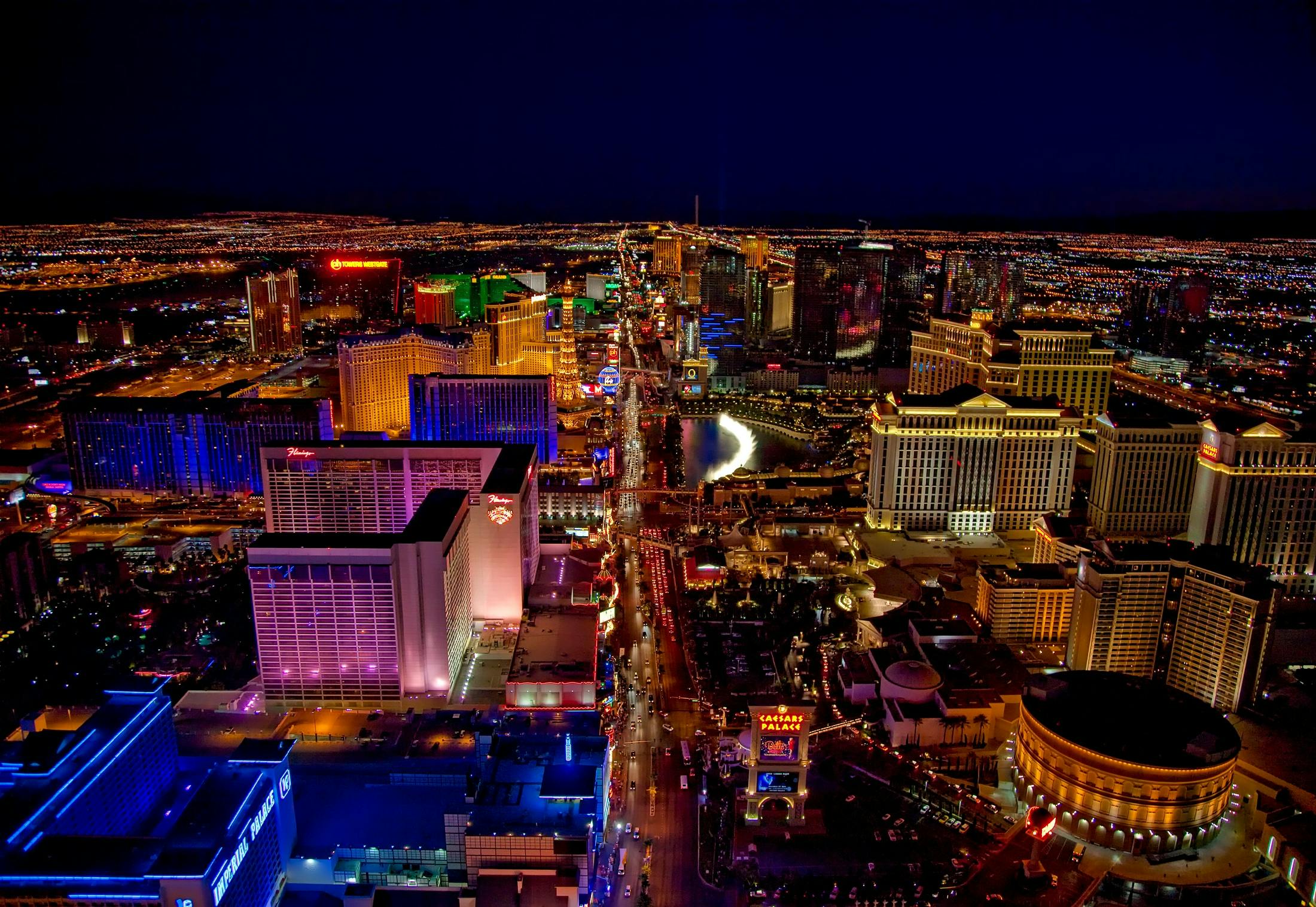
With that in mind, this introductory post is about Las Vegas. Why? It’s one of the world’s premier tourist cities: home to half of the 30 largest hotels in the world, several of the United States’ highest-grossing restaurants, and is the second-highest grossing gaming jurisdiction in the world after Macau. Its 40 million annual visitors are enough to place it alongside cities like Bangkok, London, and Paris as among the most visited globally. Yet unlike those cities, Las Vegas is a true tourism product. It has 20x more annual tourists than residents (2.4 million) in its metropolitan area. And this population growth has been driven by tourism too – a century ago, fewer than 5,000 people lived in all of southern Nevada.
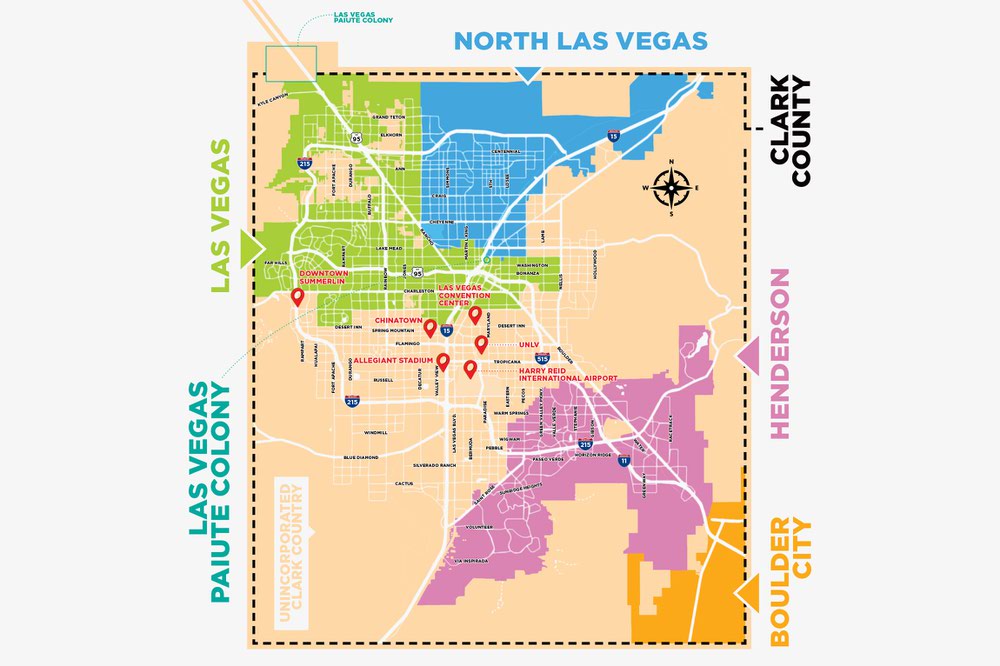
Note: here we discuss the success of “Las Vegas” as an entire region, comprising the incorporated cities of (downtown) Las Vegas, North Las Vegas, and Henderson, as well as the unincorporated Clark County “Strip”. It is the Las Vegas Strip that has been the driver of the regional economy, and where appropriate, we distinguish between Las Vegas the “Strip” and Las Vegas’ downtown.
Vice City
To begin with we must mention the obvious: Las Vegas built its earliest identity on offering what other cities wouldn’t permit. During Prohibition, the city was a haven for brothels, speakeasies, and clubs – and developed such a poor reputation in this regard that it was passed over as a housing site for Hoover Dam construction workers, with federal authorities opting instead for the purpose-built “model city” of Boulder City. The workers, however, couldn’t be kept away on weekends.
But the true catalyst for Las Vegas’ development was in 1931, when Nevada lowered the minimum residency requirement for divorce filings from three months to six weeks, and legalized gambling in the same year. Together, these two moves established the state as a place, especially for Californians, where you could do things you couldn’t do at home.
Against All Odds
But Las Vegas never had a true monopoly on these advantages. Gambling was legal throughout the entire state of Nevada, and northern markets like Reno and Lake Tahoe captured a substantial share of gambling revenues in the early decades. And as social attitudes toward gambling relaxed through the mid-20th century, Nevada’s competitive edge eroded further: Atlantic City legalized gambling in 1978, riverboat casinos and tribal gaming emerged in the 1990s, and jurisdictions around the world followed suit.
What makes Las Vegas distinctive is that it not only survived this competition – it thrived.
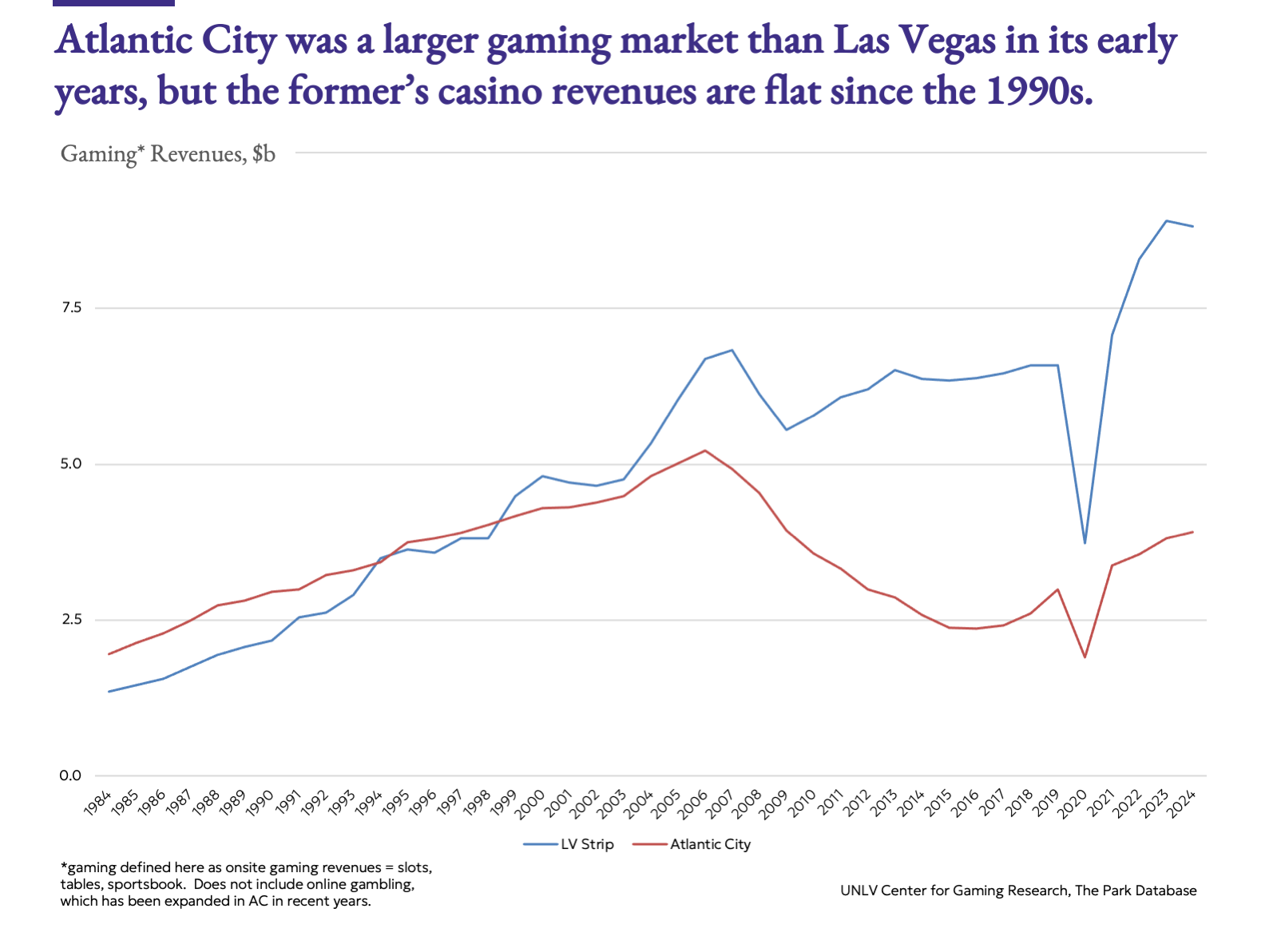
Atlantic City, at its 1984 peak, generated $1.9 billion in gaming revenues ($5.9 billion in 2024 terms) compared to Las Vegas’ $1.4 billion. Forty years later, Atlantic City’s gaming revenues sat at $3.9 billion while Las Vegas has reached $8.8 billion – a real-terms decline of one-third for Atlantic City versus a doubling for Las Vegas.
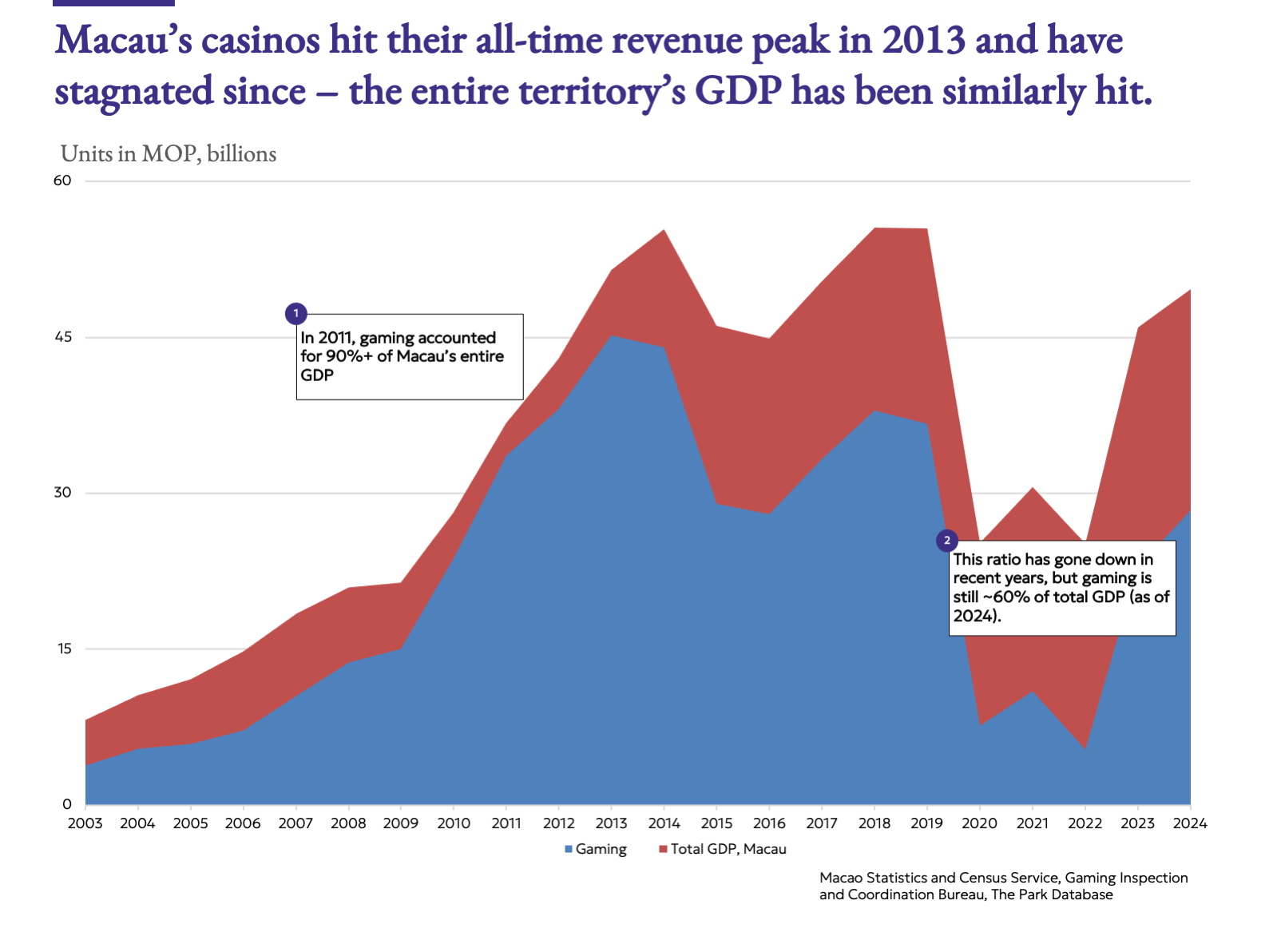
Macau is the other instructive case. After liberalizing its gaming market in the early 2000s and awarding licenses to Wynn and Las Vegas Sands, Macau grew explosively, surpassing Las Vegas in gaming revenues by 2010 – just six years after opening to outside operators. But regulatory crackdowns and COVID knocked revenues down 60% from their peak, where they currently remain.
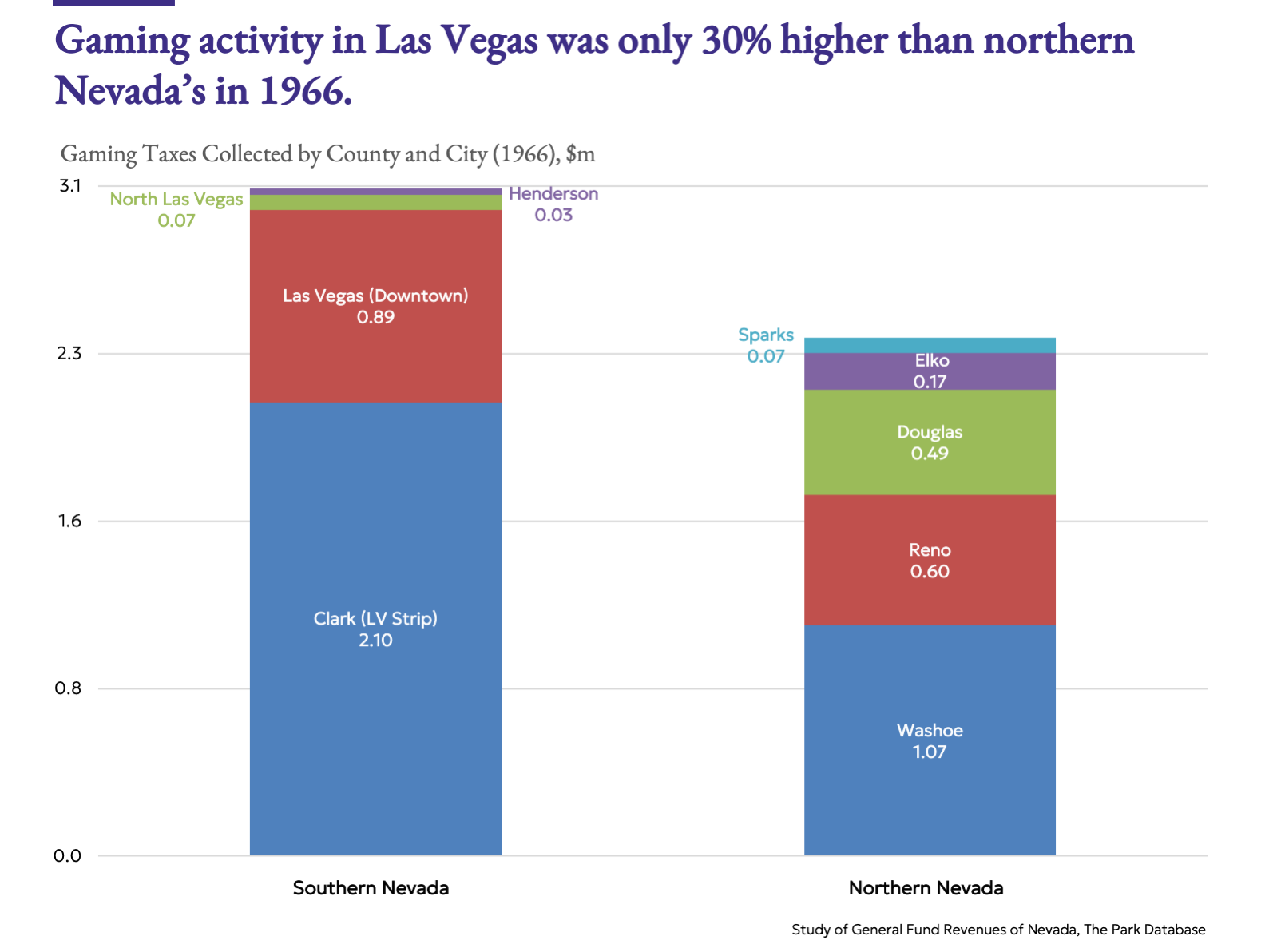
Even within Nevada, the divergence is striking. In the 1940s, the country’s highest-grossing casino was Harold’s Club in Reno. Las Vegas gained ground slowly; by 1966, southern Nevada’s gaming revenues exceeded northern Nevada’s by ~30%. Today, that differential is nearly 1,000%. 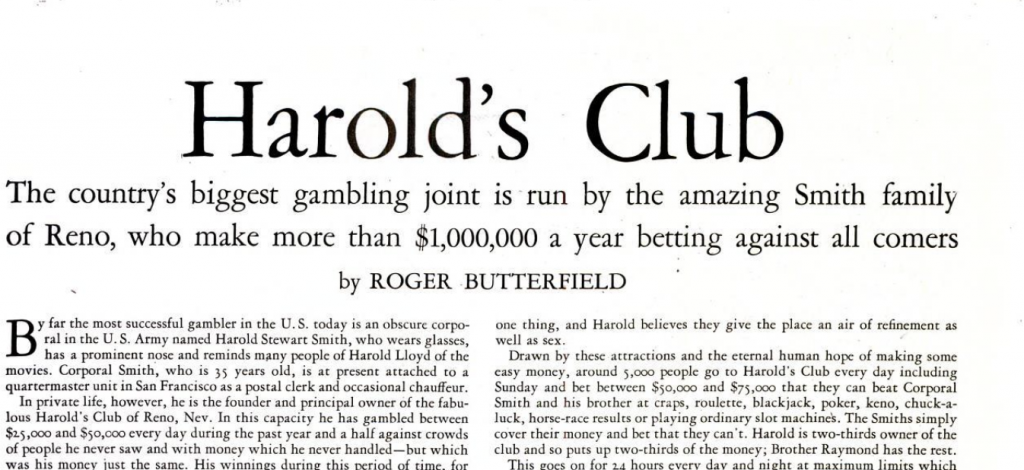
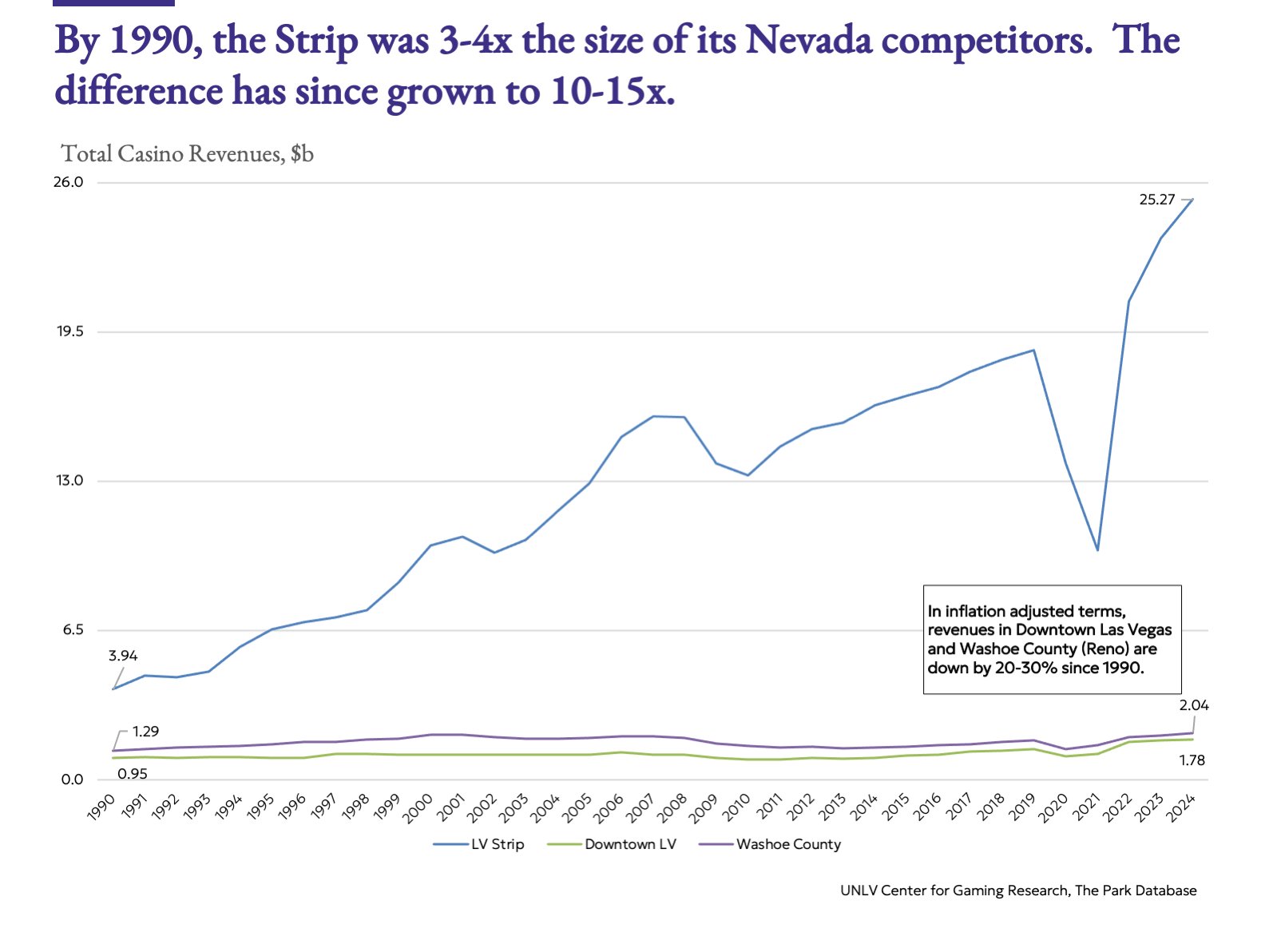
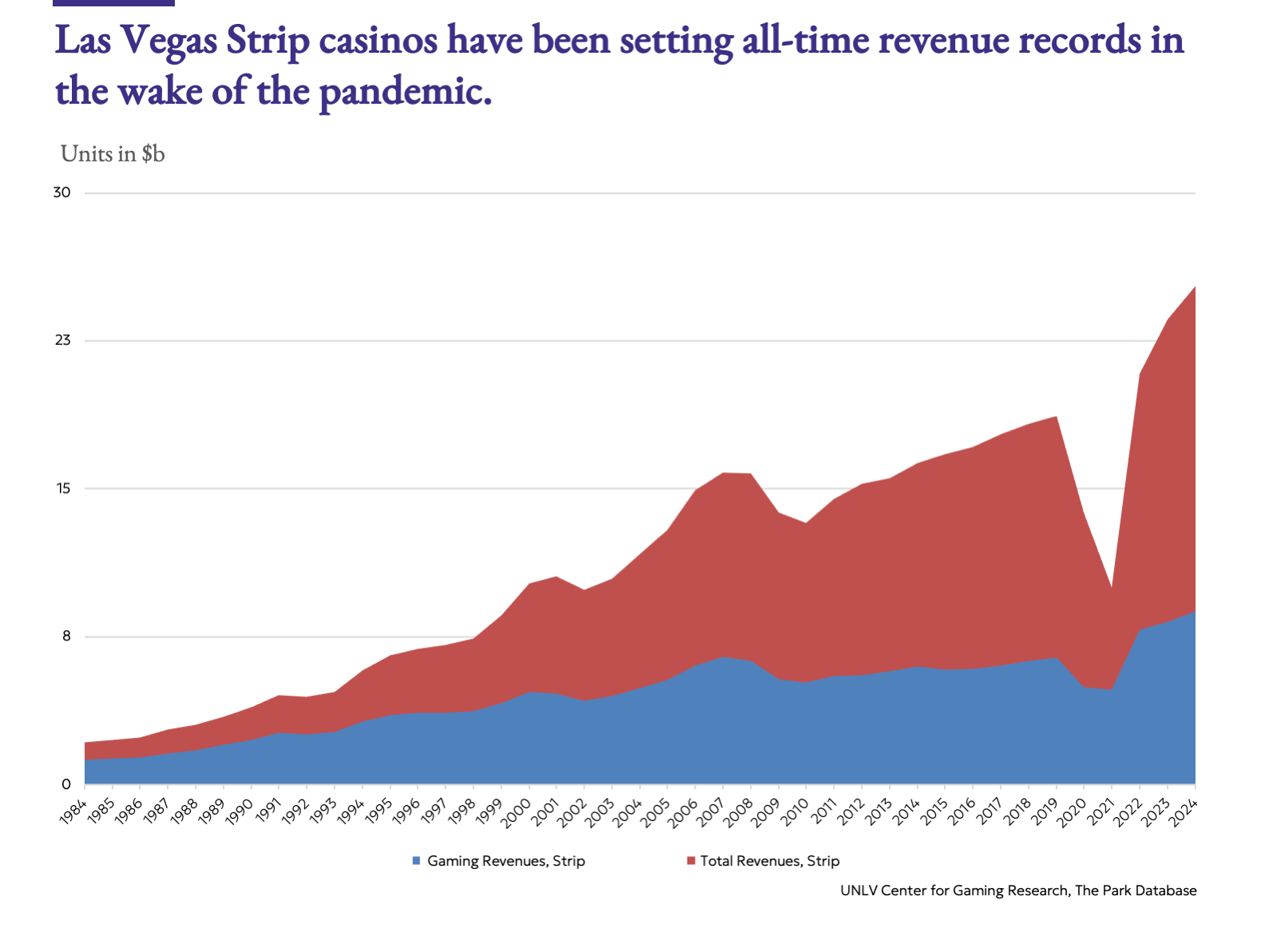
In summary, gaming revenues for non-Las Vegas destinations during the past 40 years are down in inflation-adjusted terms, while those for Macau, Las Vegas’ closest rival in terms of gaming dominance, peaked ten years ago. But Las Vegas’ gaming revenues continue to grow, with gaming tax receipts for Clark County setting records in 2024.
Gambling on Not Gambling
The simple observation is that Las Vegas ceased to rely on gambling for the majority of its revenues – decades ago. Gaming currently accounts for only about 30% of total Strip revenues. No other major gaming jurisdiction comes close to this diversification. Reno’s casinos generate more than half their revenues from gambling, an equivalent ratio to Las Vegas about 30 years ago. Macau’s “integrated resorts” are in fact just casinos with over 70%-80% of revenues from gaming; Singapore’sintegrated resorts have a similar ratio, despite the presence of a Universal Studios theme park in one of them (Resorts World Singapore).
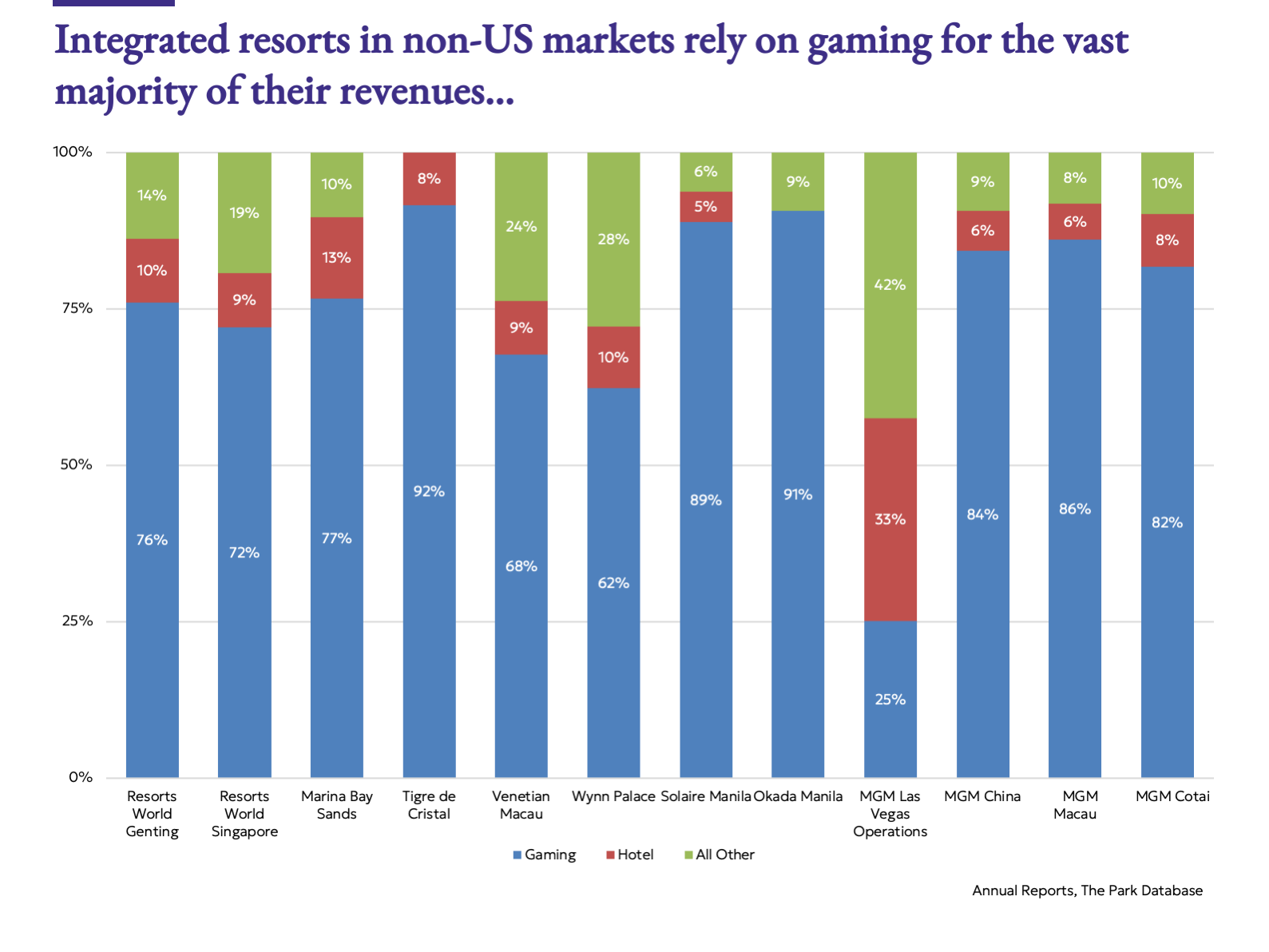
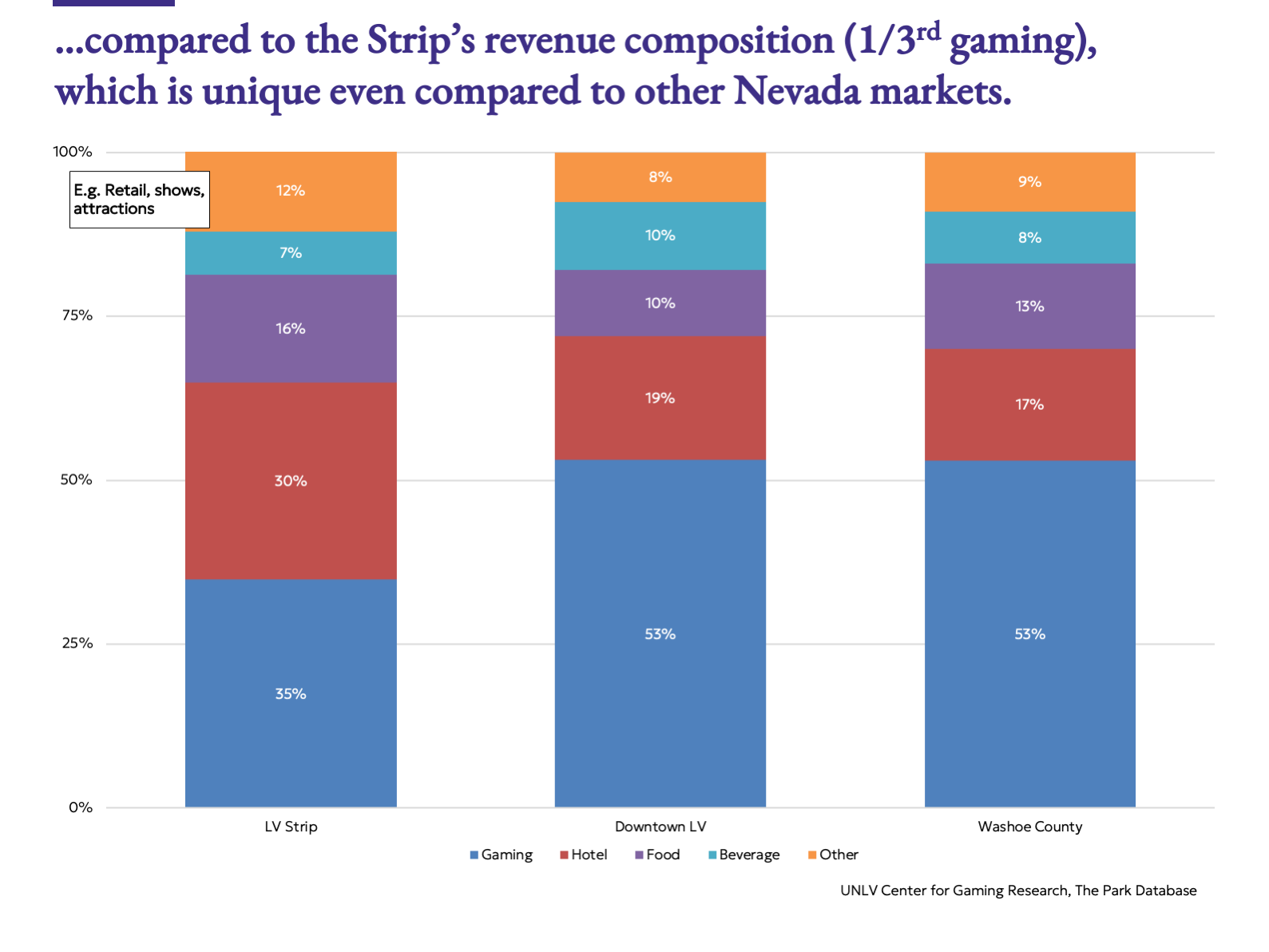
The core product of the Las Vegas Strip is a mix of entertainment, dining, shows, and experiences that, taken together, can’t be replicated anywhere else in the world. Gaming remains an important pillar, but this diversification is what makes Las Vegas uniquely resilient. Efforts to transplant this product type – the “integrated resort” – bore as much fruit as trying to transplant a desert flower outside of its native sands.
Crucially, this product was not planned – it was competed into existence, which goes some way into explaining why this “integrated resort” product seems singularly well suited to Las Vegas.
Creative Destruction, Desert Edition
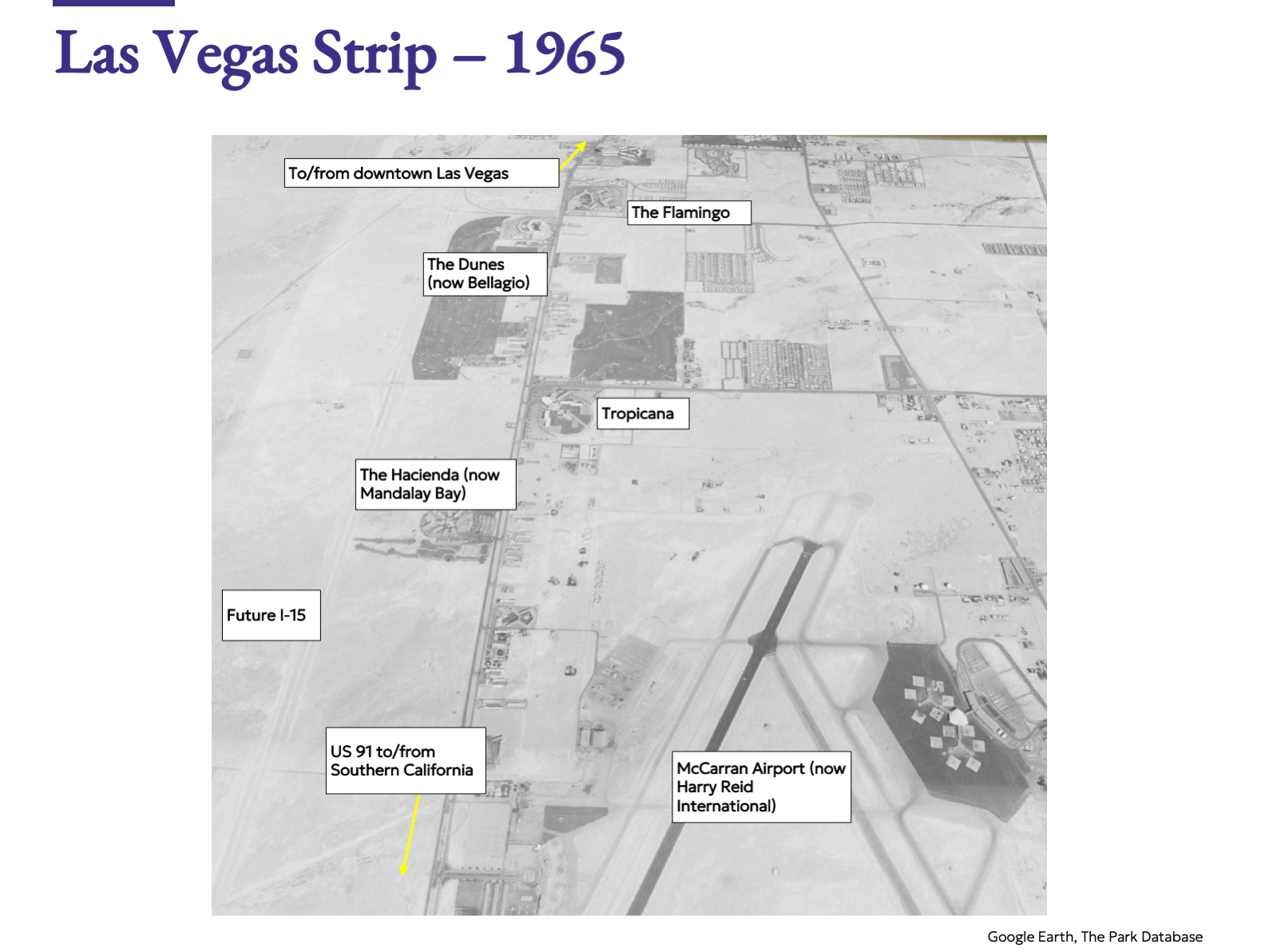
The Strip’s origin story matters. Its early developers deliberately located their casinos outside of downtown Las Vegas (the city) to intercept Southern California drivers before they reached the city center. Because these operators could not rely on a surrounding urban environment for hotels, restaurants, and entertainment, they had to build all of it themselves. The vast, cheap desert land made that possible in a way that the established, expensive downtown cores of Reno and Las Vegas could not. Harold’s Club in Reno, the highest-grossing casino in Nevada in the 1940s, relied on other hoteliers to house their guests; it wasn’t until the 1960s that it even contemplated building hotel rooms.
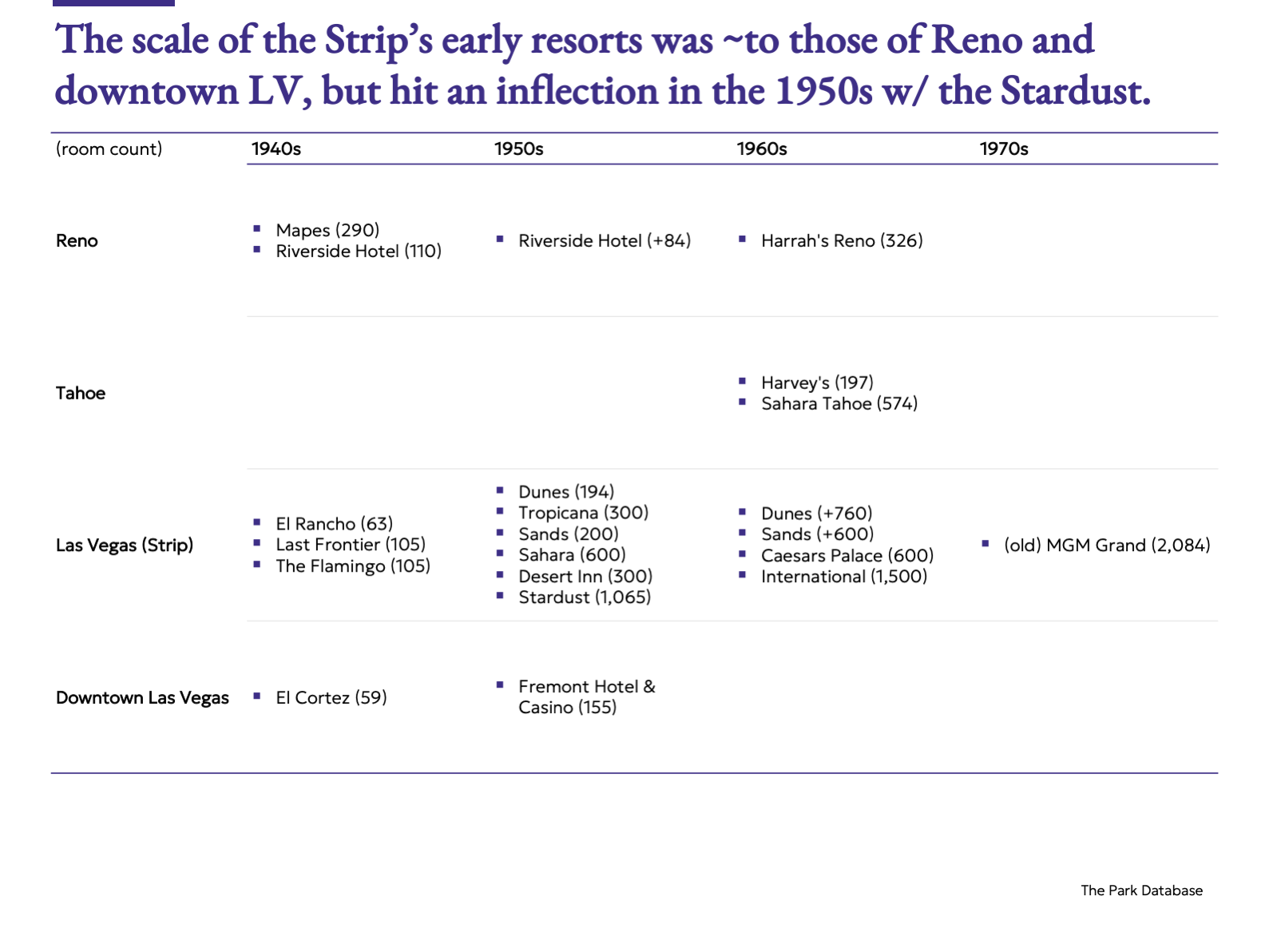
Southern California’s importance was as more than geographic positioning. It was, and remains, Las Vegas’ single largest visitor market, consistently accounting for over 30% of arrivals. It also supplied the city’s first generation of entrepreneurs: former bootleggers, gaming operators, and organized crime figures from the Los Angeles area who transplanted their operations once Nevada legalized gaming.
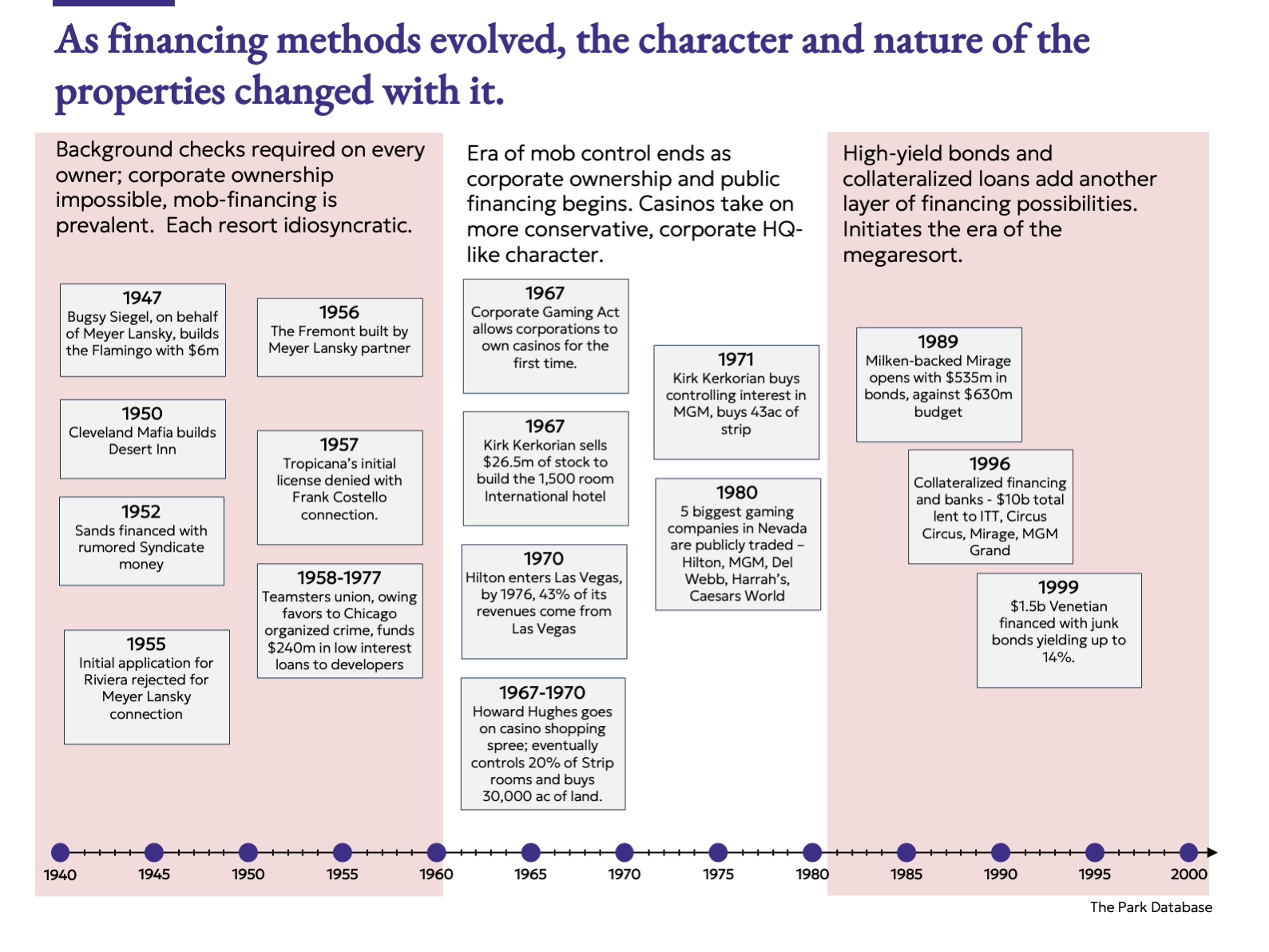
The mob played an important early role in the development of Las Vegas, by financing a large portion of its resorts, from the Flamingo, Desert Inn, the Sands, Tropicana, and downtown’s Fremont, where allegedly the Syndicate’s entire Las Vegas skim was collected and sent to Miami. Mob-directed Teamster loans also financed $240m in low interest loans in the nearly 20 years between 1958 to 1977. During this early period, when bank or public (stock market) financing to casinos was outlawed, these casinos helped give the destination a critical mass.
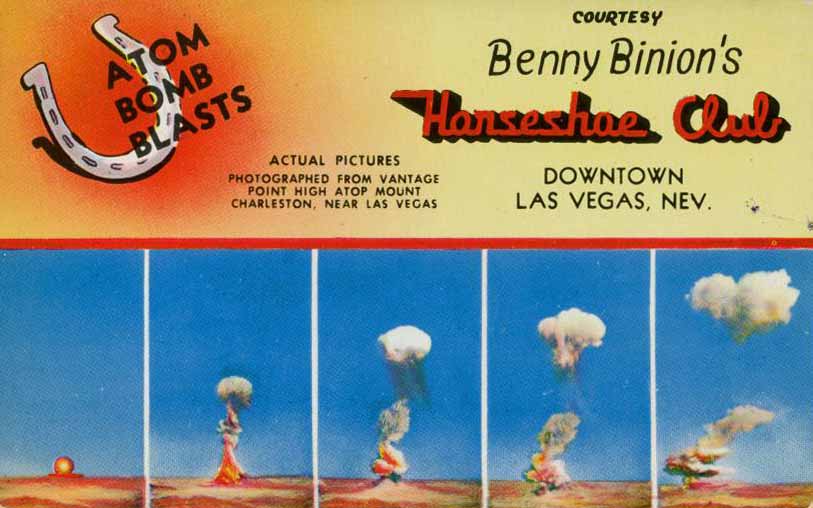
What followed on the Strip was relentless, often reckless competition on a blank canvas. In the 1940s, casinos introduced headline residencies with Liberace and Nat King Cole; Frank Sinatra began his shows in the early 1950s at the Desert Inn. Operators competed on gimmick, theme, and spectacle – nuclear blast viewings, Parisian revues with topless showgirls, ever-larger signs. In 1958, the Stardust built its famous dingbat motif, 216 foot long sign; in 1966, the Aladdin opened the state’s largest casino, spending 25% of its budget on signs. Ten casino resorts opened in the 1950s alone (against the four already operating), including four in the single year of 1955 – the Royal Nevada, Riviera, Moulin Rouge, and the Dunes. The Riviera was taken over shortly afterwards, the other three closed within two years.

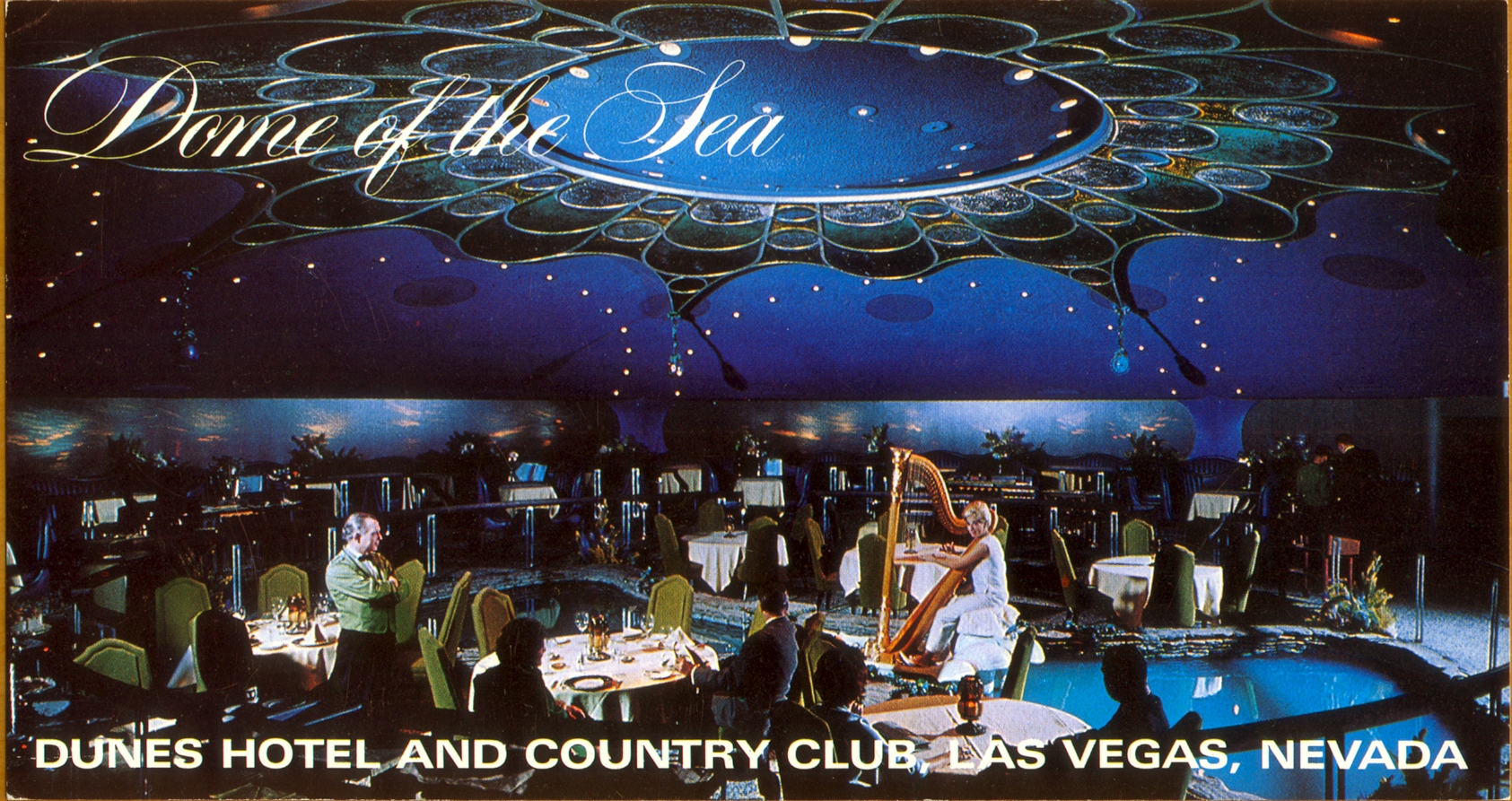
The competition escalated through subsequent decades. The Stardust in 1958 opened with over 1,000 rooms as one of the world’s largest hotels. The International topped it with 1,500 rooms in 1969, irking rival landowner Howard Hughes so much he announced a “Super Sands” hotel with 4,000 rooms (never built). In 1993, the newest MGM Grand upped the stakes once more with a 5,000 room hotel, the largest in the world. A few years later, the $550m Stratosphere aimed to be the tallest structure in the world, but facing objections from the FAA and city, settled for second-tallest in North America. Unfortunately it closed a year later.
Each decade introduced a new battleground. The late 1980s and 1990s was the era of themed entertainment, with ex-Imagineers and Disney alumni designing the attractions. The Tropicana built an in-house waterpark in 1987, followed by Circus Circus’ $90m theme park and MGM’s $100m theme park in the early 1990s. Treasure Island hosted seven battles a night between its two 90-foot pirate ships, complete with explosions and fireballs. Luxor hired an army of movie producers, scifi writers, special effects designers, and architects to design its integrated casino, atrium hotel, and dark rides, alongside its replica of the Sphinx.



Throughout the decades, many individual ventures failed. But from a master-planning perspective, while the individual competitors may have failed – the system did not. It was this culture of experimentation and entrepreneurial flexibility that gave Las Vegas both its character and its resilience.
However, it must be mentioned that this competition took place within a nearly laissez-faire environment, one with a minimum of regulatory oversight, existing norms and conventions, and top-down directive. And the capitalist forces unleashed by this creative destruction were often inefficient, and occasionally destructive. Mob-owned casinos (which were nominally illegal) meant that occasional assassinations and executions of related parties were common.
Lax – or ignored – regulations meant that municipal services were often either absent or duplicated, as Las Vegas existed in a patchwork of unincorporated areas, cities, and territories. The metropolitan area maintained 4-5 different fire and police departments in its early days, even while experiencing chronic shortages of service – both crime and insurance rates were high in the 1960s and 1970s. Typical municipal services like sewer were not provided, building on verified flood plains was tolerated, and the patchwork nature of the various governments of Clark County, Henderson, North Las Vegas, and the city of Las Vegas meant that they often spent wasteful amounts of time in turf battles and annexation struggles. Moreover, a loose regulatory regime meant that casino owners simply ignored some regulations, with deadly consequences. Fires broke out at the MGM Grand in 1980 and the Hilton in 1981, killing 81 and 7, respectively, the former the most deadly fire in Nevada history. The MGM Grand hotel lacked fire sprinklers and had failed to comply with 80% of its fire safety violations.
It’s undeniable though, that the lack of master-planned directive and tight control gave Las Vegas its character, as opposed to, say, the master-planned nature of destinations like Atlantic City, which from its founding in 1978 imposed strict guidelines on casinos and their development, by mandating minimum room counts, ancillary facilities (such as convention space), maximum sizes, and placement restrictions within certain zones.
Art of the Convention
While competition was occasionally devastating, the fact that Las Vegas’ core operators were structurally in the same business – casino and resort operators with hotel rooms that needed filling – also imposed on them a shared interest and alignment of incentives that helped drive tourism overall. Beginning in the 1940s, hotel and motel owners began voluntary contributions to help fund the Desert News Bureau – later Las Vegas News Bureau, a promotional agency for Las Vegas’ Chamber of Commerce. Recognizing the success of these early efforts, a group of mostly Strip resort operators lobbied the newly formed Clark County Fair & Recreation Board (Las Vegas Convention Center) in 1958 to undertake marketing and promotions for the convention center so that “it should be announced and promoted thruout the world with every resource possible” while pledging “all the help and cooperation we can give”, in addition to the financial contributions that they been making to the Las Vegas News Bureau.
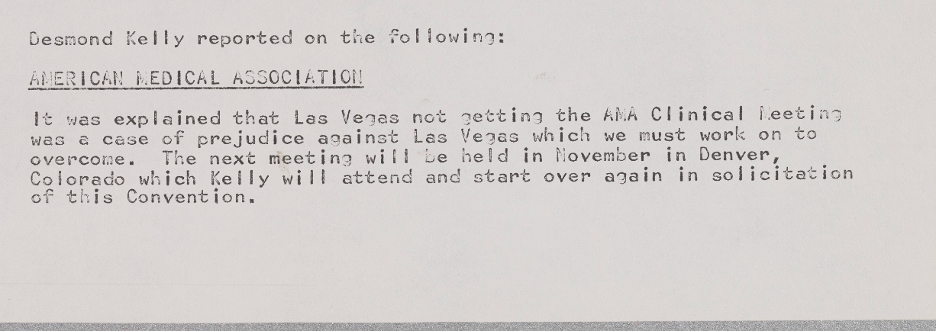
This alignment of interests was a product of the Strip’s homogenous operator base, and it enabled a tightly coordinated marketing that helped the fledging convention center succeed over the long run. Early meeting minutes from 1960 and 1961 show representatives of nearly every major resort in Las Vegas in attendance while a play by play of conventions won or lost is detailed. While the American Academy of Ophthalmology and Otolaryngology elected to convene in Las Vegas, the American Medical Association decided against meeting in the city in “a case of prejudice against Las Vegas”. So too it seems that the American Trucking Association was similarly biased, giving Las Vegas only three minutes to present its bid against a “usual fifteen minutes”, in favor of Los Angeles. In other cases, it was simply a matter of not having enough rooms – the Veterans of Foreign Wars required 2,500 rooms in August, while “a total of less than 1,000 rooms” could be committed by the hotels at the time.
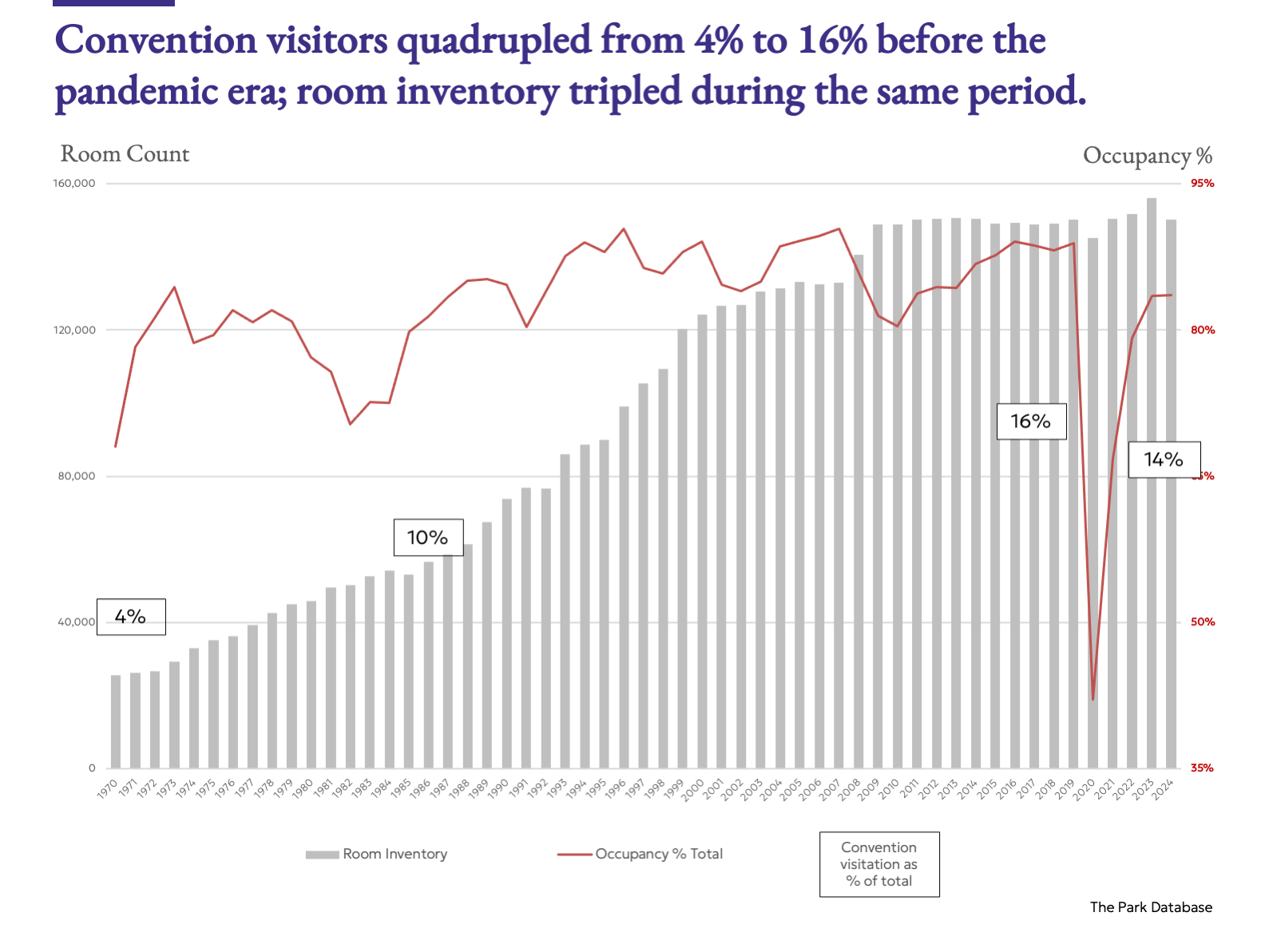
Over the next several decades, as Las Vegas continued building and marketing itself, the results spoke for themselves. From 4% in the 1980s, nearly 15% of Las Vegas visitors – roughly 6 million annually – were convention attendees in 2024, including to shows like the perennial anchor Consumer Electronics Show (CES). This business segment has done its part in sustaining room occupancies, which has remained above 80% for 40 consecutive years (excluding the pandemic), even as total room inventory tripled.
By not restricting itself to gamblers, the Strip’s developers unlocked a far larger market. And in doing so, they discovered what has since become an ironclad rule of the attractions industry: customers who stay longer spend more-r.
An ecosystem of hotels, dining, shows, and convention facilities is, functionally, a city – and that is what Las Vegas became. Its metropolitan area of over 3 million residents is an economic engine in its own right, and was the fastest growing Metropolitan Statistical Area in the country between 1990 and 2000. In 2007, over 72,000 condominium units were planned on the Strip across 100 projects, cementing its status as not just a tourism destination, but as a destination for property investment and permanent residence.
It is this layered complexity, built through competition and entrepreneurship rather than central planning, that makes Las Vegas one of the most instructive case studies in destination development anywhere in the world.
Summary
Observations on what Las Vegas did in order to become the destination it is today.
- The Strip developed a unique value proposition that has no real competitor anywhere in the world: the casino “integrated resort” product type where casino gaming, hotel accommodations, F&B, shows, retail, and other entertainment make an meaningful contribution to revenues. Efforts to replicate this product have failed to reproduce its balance.
- Crucially, this product was competed and evolved into existence, rather than envisioned or mandated from master planners. It evolved out of Las Vegas’ own starting conditions, such as proximity to Southern California and availability of vast tracts of flat land, and so has been particularly well adapted to the market, rendering it resilient, supporting sustained growth, and spurring development of other industries.
- Las Vegas’ competition has always been intense, occasionally even deadly, and a certain laissez-faire (or less than competent oversight) on the part of the authorities enabled this. In the early days, Las Vegas reached a critical mass through mob-financed and operated casinos, and related killings/assassinations were more than an occasional event. Even beyond underworld elements, the nature of Las Vegas’ entertainment and marketing has always stretched the limits of social propriety: initially, casino gaming was its primary draw, as it was widely banned across the United States, and colossal neon signage and architecture decried as crass.
- Moreover, competition was occasionally ruinous in many ways. First, by duplicating – or in some cases, omitting – crucial municipal services, building on flood plains, or making do with lax building regulations (and subsequent fires), it often mired itself in inefficiency and self-sabotage. But more importantly, overbuilding and reckless bets led to widespread failures in the 1950s, and famous bankruptcies like the Stratosphere in 1997 and the Cosmopolitan in 2009. But the process of creative destruction and experimentation has helped the survival and development of the destination as a whole.
- It is the competitors that emerged from this crucible – namely, the Wynn and the Las Vegas Sands – that now dominate global gaming.
- The MSA’s coordinated marketing efforts – first through the Las Vegas News Bureau, then through the Convention Bureau (now the LVCVA) – represent a sustained, nearly 80-year effort in promoting the destination worldwide, and placing it in the global consciousness.
- The convention center was not merely built as an amenity – it was built to fill empty rooms during the offpeak season, a move that created an entirely new ancillary industry.
- Every new leap in competition broadened the market. Casino gamblers broadened into weekenders, who broadened into families and business travelers, and after a certain critical mass, drew vacation owners, and full-time residents. Each expansion of the market made Las Vegas more resilient.
Additional Sources:
Resort City in the Sunbelt, Eugene P. Moehring
The Strip: Las Vegas and the Architecture of the American Dream, Stefan Al